OVERVIEW OF BERLIN
BerlinBerlin, situated in the NE of Germany (50 mls W of the Poland's border. 18 mls E of Potsdam. 170 mls SE of Hamburg. 5 mls SE of Tegel international airport; 7 mls NW of Tempelhof international airport and 12 mls NW of Schonefeld international airport), is the capital city of Germany and one of the 16 states (Länder) of the Federal Republic of Germany.
Berlin is the largest city in Germany and has a population of 4.5 million within its metropolitan area and 3.4 million from 190 countries within the city limits. Berlin is best known for its historical associations as the German capital, for its internationality and tolerance, for its lively nightlife, for its many cafes, clubs, and bars, for its street art, and for its numerous museums, palaces, and other sites of historic interest.
Berlin's architecture is quite varied. Although badly damaged in the final years of World War II and broken apart during the Cold War, Berlin has reconstructed itself greatly, especially with the reunification push after the fall of the Berlin Wall in 1989. It is now possible to see representatives of many different historic periods in a short time within the city center, from a few surviving medieval buildings near Alexanderplatz, to the ultramodern glass and steel structures in Potsdamer Platz. Because of its tumultuous history, Berlin remains a city with many distinctive neighborhoods.
THINGS TO DO IN BERLIN
Berlin is a popular city for the arts, with lots of museums, galleries and theatres. At the Kulturforum visitors can find a number of impressive museums and concert venues from the spectacular Berliner Philharmonie concert hall to the complex's Picture Gallery, which houses a vast collection of European paintings from the 13th to 18th centuries. Berlin has always boasted fantastic nightlife, and while tastes have changed since the height of the cabaret halls of the 1920s and 30s, there is a wide variety of venues catering for all tastes. Berlin's calendar is also packed with festivals and parties from the Christopher Street Day gay and lesbian parade in June to the massive Love Parade dance party in July and the Jazz Fest Berlin in November.
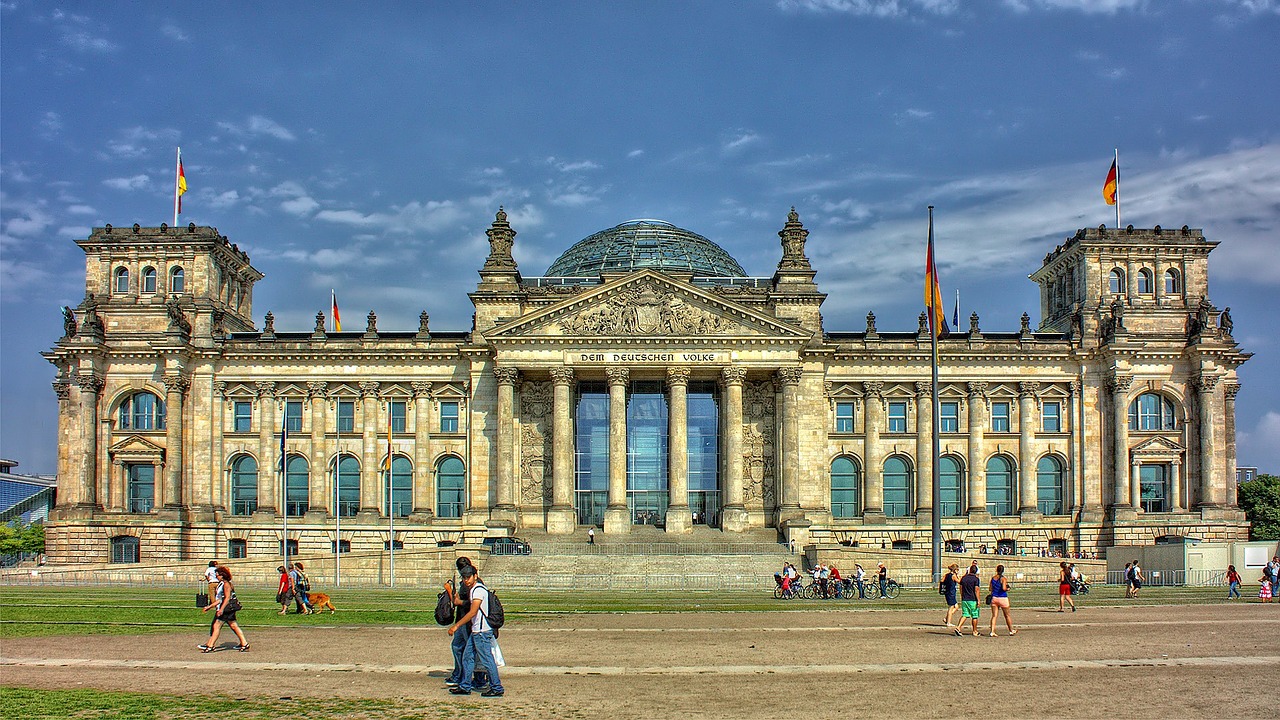
The main attractions in Berlin are: Reichstag: The seat of the German Parliament has played a crucial role in Berlin's recent history.
Brandenburger Tor: This gate symbolizes the reunification of East and West Berlin after the fall of the Berlin Wall. Schloss Charlottenburg: The largest palace in Berlin has lavishly decorated interiors.
Nikolaiviertel: This small district with narrow streets is one of the oldest historic areas in Berlin. Alexanderplatz: This large square in former East Berlin features the 365m tall Fernsehturm (TV Tower).
Kaiser Wilhelm Gedächtniskirche: This bombed church symbolizes the destruction of war. Berlin Wall: Parts of the famous wall that once divided this city in two are still standing. Potsdamer Platz: This square was competely rebuilt with modern buildings after the reunification of Berlin. Berliner Dom: The cathedral, severely damaged during the war, was reopened in 1993.
Gendarmenmarkt: This square is bordered by three beautiful buildngs: the Konzerthaus, Französischer Dom and Deutscher Dom. Neue Synagogue: This beautiful synagogue was the symbol of the Jewish community. Siegessäule: A victory column commemorating Prussian victories. Potsdam: The capital of Brandenburg, just an S-Bahn ride from Berlin is a popular day trip destination. Sanssouci Park: This large park contains the beatiful rococo style Schloss Sanssouci and the sumptuous Baroque Neue Palais.
🔒
The Member Layer
Where members actually go, and who’s in the city now — by application only.