Where to Eat
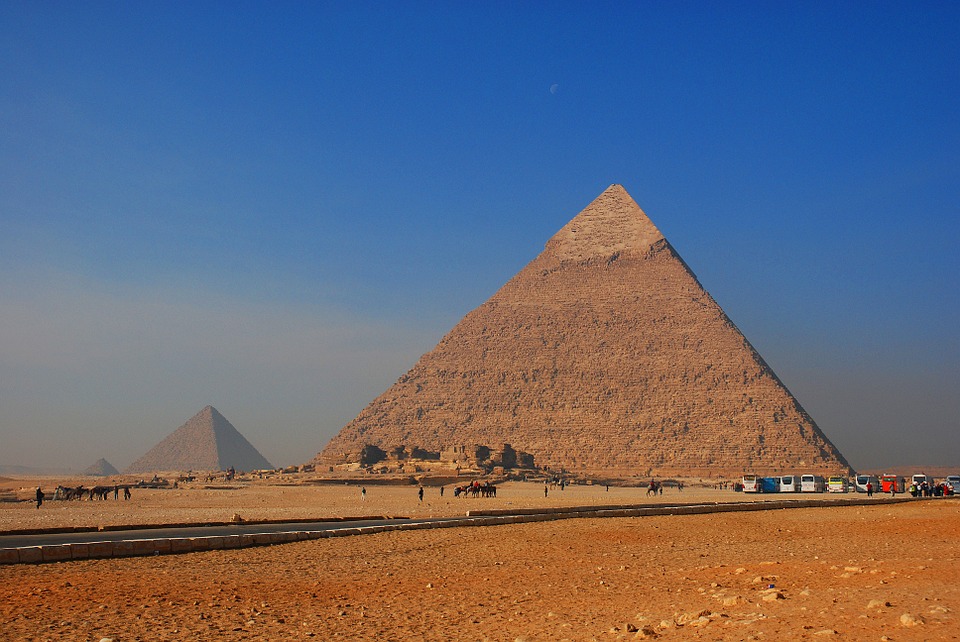
139 Pavilion, Marriott Mena House. The terrace here may be the most consequential table in Egypt: you eat Egyptian and continental fare at linen-covered tables while the Great Pyramid fills the frame behind your water glass. The Koshary is a reliable order; so is anything from the egg station at breakfast.
Moghul Room, Marriott Mena House. Tucked within the same 19th-century palace grounds, this long-running Indian kitchen is among the most-recommended on-property options at Mena House, drawing praise for its curries and the particular pleasure of cocktails in the adjacent lounge with a pianist in attendance. Reserve well in advance.
9 Pyramids Lounge. Perched on the Giza plateau itself, this restaurant delivers Egyptian buffet fare alongside what is arguably the most unobstructed nine-pyramid panorama available from a dining chair. Tour groups regularly stop here at lunch; independent travelers do better arriving at dusk, when the light on the limestone turns theatrical.
Andrea New Giza. An institution that has not adjusted its formula in decades — deliberately. The menu is grilled chicken, fresh-baked baladi bread, mezze, and little else, prepared the same way it has been since the restaurant opened. Locals treat it as a Sunday ritual; the wood-fired smoke and the sound of rotating spits greet you from the car park.
El Dar Darak. A straightforward, well-regarded stop near the pyramid complex that regulars seek out after a morning on the plateau. Traditional Egyptian plates — grilled meats, ful, local salads — arrive efficiently and without pretension. Worth a stop after your visit to the site.
After Dark
Royal Night Club. On Gamal Abd El-Nasser Road, this is among the more established club venues operating in the Giza corridor — a Bars & Clubs listing with consistent repeat patronage and a dance floor that draws a mixed local and visitor crowd late into the night.
Night Club Luxury. Billed as a luxurious nightlife experience in the heart of Giza with an upscale interior and live music running through the evening. The atmosphere leans toward dressed-up and celebratory; arrive no earlier than 11 p.m. for the room to feel right.
Marrakesh Night Club. A dance-oriented venue that registers consistently across Giza's nightlife listings. The staff, by most accounts, is attentive, and the room — while not understated — delivers the energy a night out near the pyramids seems to demand.
Out of Town
Interior Pyramid Access and Camel Ride, Giza Plateau. The combination of entering one or two of the burial chambers and following up with a camel traverse across the desert sand in view of all nine structures is the anchor experience of any Giza itinerary. The interior passages are low, warm, and genuinely vertiginous; the camel circuit provides the wide-angle perspective the plateau photographs require. Book a licensed private guide to navigate both without the noise of a group tour.
ATV Quad Bike, Giza Desert. Operators run one-hour circuits through the golden sand beyond the pyramid fence line, offering a perspective of the monuments that no pavement-bound vantage can replicate. Sunrise and sunset slots disappear fastest; the dunes soften the ride considerably, which reviewers seem to find more enjoyable than alarming.
Saqqara Necropolis and Dahshur Day Trip. An hour south of Giza, Saqqara contains the Step Pyramid of Djoser — the architectural ancestor of everything on the Giza plateau — along with mastaba tombs whose carved reliefs remain remarkably intact. Pair it with a stop at Dahshur's Bent Pyramid, where the geometry visibly records an ancient engineering correction mid-build. Considerably quieter than Giza and, for those inclined toward depth over spectacle, more rewarding.
On the Calendar
Sound & Light Show, Giza Pyramids — Nightly, ongoing through summer. Every evening after sunset, the Sphinx narrates five millennia of pharaonic history while laser and projection technology animate the faces of the three great pyramids. The show runs approximately 55 minutes and is presented in multiple languages on a rotating schedule. Front-row seating is worth the marginal premium for an unobstructed sightline to the illuminated Sphinx. Reserve in advance through your hotel concierge or a licensed operator.
Grand Egyptian Museum — Open continuously. The GEM, adjacent to the Giza plateau, remains one of the most significant cultural openings in recent memory: the world's largest archaeological museum, housing more than 100,000 artifacts including the complete Tutankhamun collection relocated from the Egyptian Museum in Cairo. June's relative quiet (pre-peak European summer) makes this the better window to move through the Tutankhamun galleries without contention. Book timed entry tickets online — walk-up availability at the gate has been unreliable.