Where to Eat
LiQun Roast Duck — The approach alone is half the pleasure: a warren of hutong lanes south of Qianmen, a brown door with a hand-painted character, and the smell of apple-wood smoke before you even find a seat. Reserve a whole duck at least a day in advance; the kitchen roasts to order, and the crispy salt-and-pepper bones fried from the carcass are among the most-recommended dishes in the city.
159 Hutong Restaurant — Tucked at No. 78 Lishi Hutong behind an unmarked brown door, this family-run room is exactly what travelers mean when they say they want to eat like a local. The braised ham hock and fermented soy-bean noodles are the reasons regulars return; the illustrated menu handles the language gap without condescension.
TRB Hutong — A restored courtyard residence steps from the Imperial Ancestral Temple serves European fine dining with serious wine credentials and rotating work by artists including James Turrell and teamLab. The tasting menu skews French in technique and Beijing in mood; book the courtyard terrace for June's long evenings.
King's Joy — Across from the Lama Temple, this all-vegetarian kitchen reframes Chinese imperial cuisine without apology — no meat, no pretense, no loss. The tofu prepared to mimic braised pork and the lotus-root pastry demonstrate that restraint can be more ambitious than excess.
Haidilao Hot Pot — The Beijing flagship of China's most-discussed hot pot chain is worth understanding on its own terms: tableside noodle-pulling, rotating service cart, and a broth that arrives divided between fiery Sichuan red and clean bone-white. Arrive with a group and surrender the next two hours.
After Dark
One Third — Among the most-recommended clubs in Beijing by both local and international patrons, One Third operates across multiple floors in Sanlitun with a sound system calibrated for serious house and techno. The real energy arrives after 11 p.m.; the crowd skews young-professional and globally minded.
Fang Bar — Hidden in Langjia Hutong behind a small red door, this one-room cocktail bar is run by a British mixologist who treats Beijing's local produce — yogurt, aged vinegars, foraged botanicals — as serious bar ingredients. There is no menu pressure; tell the bartender your mood and he builds accordingly.
Bungalow Tiki and Cocktail Bar — A deliberate anachronism planted inside the hutong grid: tiki torches, split-bamboo walls, and handcrafted rum drinks built on the canon of mid-century Pacific cocktails. It opens at 7 p.m. and the small back terrace is the right place to be in June when the Beijing nights finally cool.
Out of Town
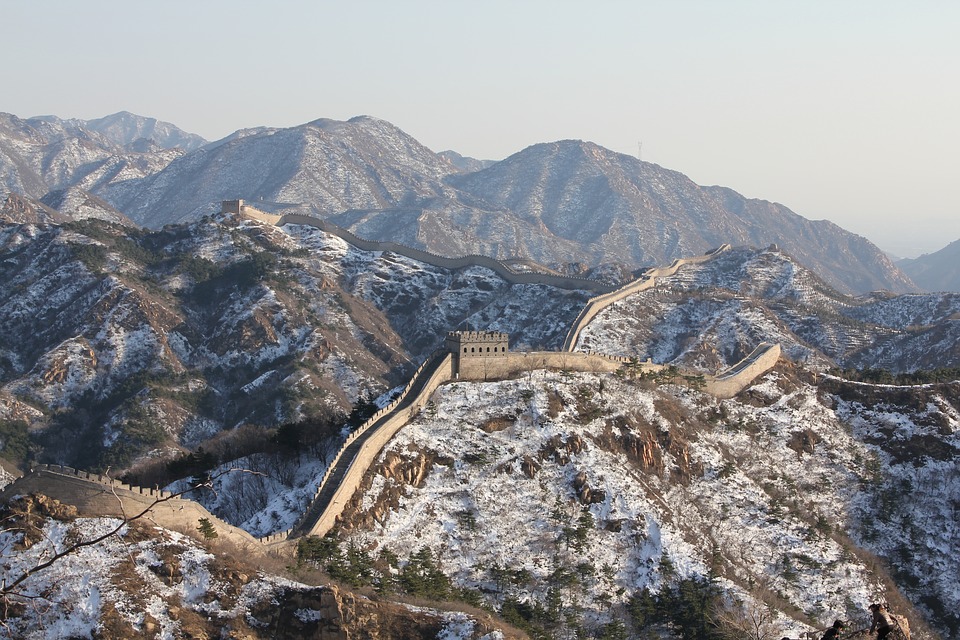
Jinshanling–Gubeikou Multi-Day Trek (Great Wall Hiking) — The two-day circuit from Chenjiapu through Jinshanling to Gubeikou covers some of the least-visited restored sections of the Ming-dynasty wall, with a farmhouse overnight between stages. Guides carry deep historical knowledge of the engineering and the garrison culture; luggage transfers by van mean you carry only a daypack. June's long light and moderate trail traffic make it among the most-recommended windows of the year.
Jiankou Wild Wall (James Private Tour / Wild Wall Experiences) — Jiankou is the section that photographers have spent careers chasing: unrestored, ridge-top, and built on cliffs so steep that the wall itself seems to defy physics. Experienced private guides lead the technical passages safely, but this is not for visitors seeking a flat promenade — expect 70-degree stair pitches, broken parapets, and a summit reward that justifies every step.
Camping at the Wall — Dayingpan Section — A two-day hiking and camping experience on the rarely visited Dayingpan stretch, guided by local leaders with deep trail knowledge. The particular draw is the arc of a summer evening: dinner from local ingredients, the wall silhouetted against the last light, and a sunrise that arrives before the first tourist bus from Beijing has left the city.
On the Calendar
Liyuan Theatre — Peking Opera Nightly Program — The Jingju Theater Company performs nightly at Liyuan, south of Tiananmen in the former Xuanwu District — the birthplace of the form. Performances run roughly 70 minutes and combine elaborate lianpu face-paint, percussive live scoring, and acrobatic fight choreography; English subtitles scroll on side screens. Arrive 30 minutes before curtain to watch performers apply makeup in the dressing rooms. Tickets available throughout summer 2026.
Chaoyang Theater — Acrobatic Show — The evening acrobatic program at Chaoyang Theater has run continuously long enough to become a Beijing institution, yet the 60-minute performance — plate-spinning, aerial hoop work, chair-stacking, motorcycle acts inside a steel globe — remains genuinely difficult to describe without sounding like hyperbole. Book in advance; the show runs multiple evenings weekly through the summer season and typically sells out a month ahead.